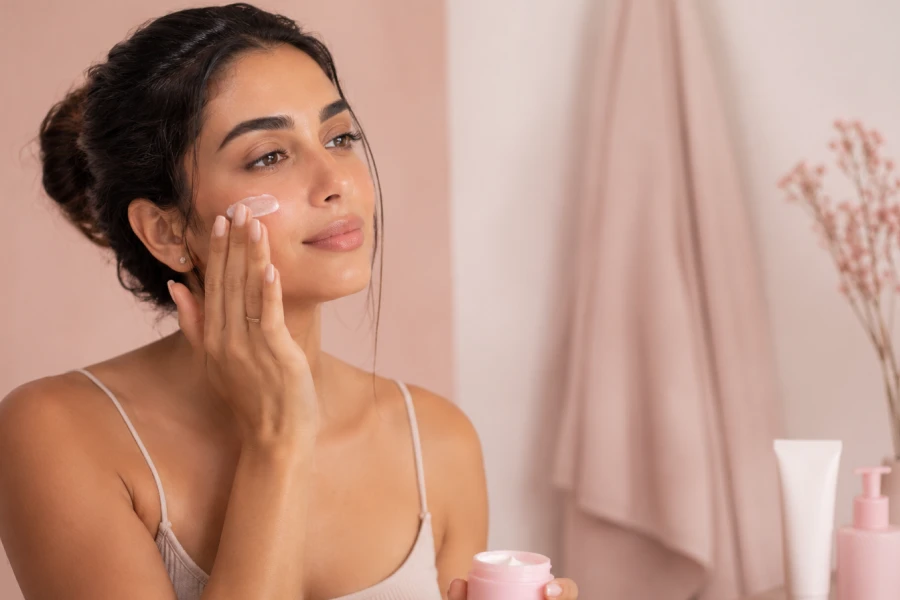
Reactive skin can make a bathroom shelf feel suspicious. Even familiar products may suddenly seem risky. A sensitive skin routine works best with fewer surprises. The aim is calm repetition, not constant correction. Skin often needs less stimulation than expected. Every extra layer deserves a reason. Irritation can hide behind beautiful packaging. A calm skincare routine helps simplify choices. The first win is predictability. Calm skin usually begins with restraint.
Triggers rarely arrive with obvious labels. Weather can change skin behavior quickly. Fragrance may feel pleasant but cause trouble. Exfoliation can push delicate skin too far. Hot water can increase redness. Stress can make tolerance narrower. Laundry products can touch the face through towels. Makeup removal can become too aggressive. Observing patterns prevents random product switching. That patience often reveals the real problem.
Morning reactions can begin the night before. A fragranced pillow spray may touch cheeks. Detergent residue may linger on pillowcases. Hair products can migrate onto skin. Long showers can leave the face tight. Over-cleansing can weaken comfort by morning. Look beyond the obvious product lineup. The surrounding routine can matter. Small environmental changes often reduce confusion. Skin rarely reacts in isolation.
Barrier comfort should shape the core routine. Cleansing needs softness and short contact. Moisturizer should reduce tightness quickly. Sunscreen must feel wearable every morning. Treatment steps should wait until skin settles. A strong routine does not need many bottles. It needs products that cooperate. Choose textures that leave skin comfortable. A skin barrier support plan can make that clearer. Comfort becomes the best daily measurement.
Texture tells a useful story. Stinging is different from simple richness. Greasiness is different from protection. Tightness after cleansing deserves attention. Pilling may show product conflict. Redness after rubbing may show friction. Burning after application deserves caution. Comfort should last beyond the first minute. Track sensations with plain language. The skin often explains its needs clearly.
Testing new products requires deliberate pacing. Try one item at a time. Use a small area first. Wait several days before judging. Watch for stinging, heat, bumps, or tightness. Do not test during a flare. Keep the rest of the routine stable. This protects the experiment from confusion. Slow testing may feel boring. It often saves weeks of repair.
Recovery days should feel intentionally boring. Skip masks, peels, and experiments. Cleanse only as much as needed. Moisturize before tightness escalates. Protect from sun and wind. Avoid makeup removal battles when possible. Use soft cloths and light pressure. Give redness time to fade. Consistency rebuilds trust in the routine. Calm repetition becomes its own treatment.
Stressful weeks deserve simpler skincare. Travel, deadlines, and poor sleep affect skin. Skip unnecessary actives during those periods. Use gentle cleansing and dependable moisture. Keep sunscreen consistent when outdoors. Avoid adding novelty during high stress. Skin may need familiarity more than treatment. A calm routine can support emotional ease. The face does not need another challenge. Lower pressure can improve consistency.
Makeup can complicate sensitive care. Long-wear formulas may need stronger removal. Fragrance in complexion products can linger. Dirty brushes can increase irritation risk. Heavy layers can trap sweat and heat. Choose base products that remove easily. Clean tools on a predictable schedule. Take makeup off before exhaustion wins. Skin comfort should guide cosmetic choices. Beauty routines work best together.
As skin calms, refinement should stay cautious. Add one helpful step, not several. Hydrating serums may support comfort. Mild treatments require careful spacing. Fragrance-free choices can reduce uncertainty. Seasonal changes may require texture shifts. A sensitive skin product tracker helps compare reactions. Notes prevent repeating old mistakes. Progress should feel steady and quiet. Skin confidence grows through reliable evidence.
Professional help has a place when reactions persist. Ongoing burning needs more than guessing. Sudden swelling deserves prompt attention. Repeated rashes should be documented. Bring product names to appointments. Photos can help explain timing. A professional can narrow possibilities. Home routines still matter afterward. Clear guidance reduces unnecessary fear. Support can make care feel less lonely.
A calmer routine can change daily confidence. Makeup sits better on comfortable skin. Mornings become less investigative. Evenings feel less like recovery. The mirror stops creating immediate worry. That emotional relief matters. Skincare becomes supportive instead of dramatic. Fewer decisions leave more room for life. Sensitive skin still needs attention. It does not need constant alarm. Keep the routine visible and uncomplicated. Store calming products together. Remove tempting extras during flares. Let the face rest without constant analysis. Relief often comes from fewer decisions.


Leave a comment