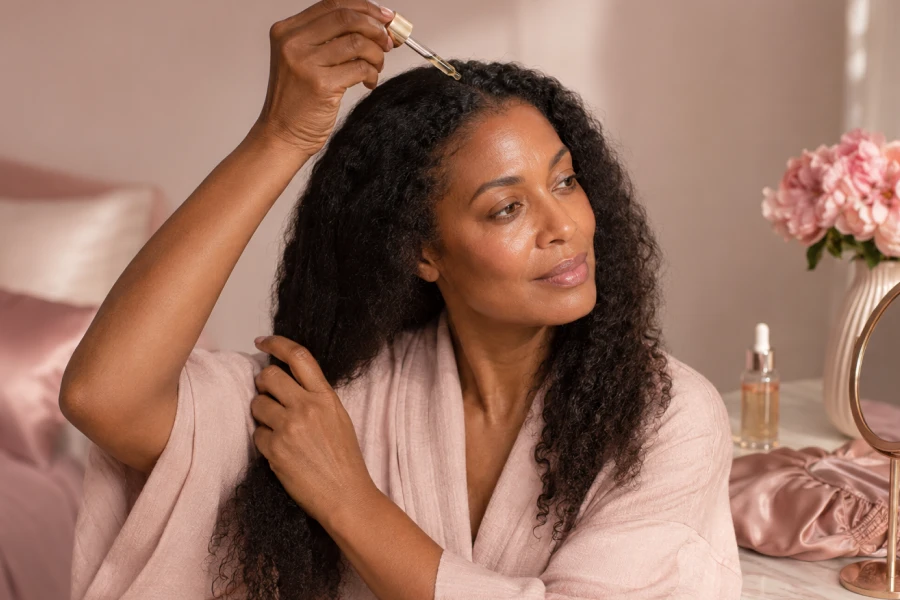
Healthy hair rarely breaks from one dramatic mistake. Damage usually builds through small repeated habits. That is why preventing hair breakage begins early. The comb, towel, pillow, and plate all matter. Each choice either preserves strength or spends it. Hair can look fine before weakness appears. Ends may split before length disappears. A hair strength routine helps connect these clues. Prevention feels quieter than repair. It also costs less emotional energy.
Daily routines reveal more than product shelves. Notice where shed hair appears. Check if pieces look short or full length. Short pieces often signal snapping. Full strands may suggest natural shedding. Dry ends can catch against clothing. Rough brushing can turn tangles into breaks. Tight styles can stress the same roots. These clues deserve calm attention. They help you adjust before frustration grows.
The ends deserve the first inspection. They reveal friction before the crown does. Look for knots that catch repeatedly. Notice dryness after normal styling. Check whether trims hold their shape. Rough ends can travel upward quickly. Early attention keeps problems smaller. Do not wait for dramatic loss. A careful glance can change the week. Hair care becomes easier when clues stay visible.
Wash day needs patience before water starts. Detangle gently from the ends upward. Saturate hair before adding cleanser. Focus shampoo on the scalp. Let suds move through lengths lightly. Conditioner needs enough time to soften friction. A microfiber towel can reduce rough rubbing. Wide-tooth combs help when hair feels fragile. The anti-breakage wash day plan can organize each step. Small pauses protect the strand surface.
Tools should earn their place. A comb should glide through conditioned hair. A brush should not scrape the scalp. Elastic bands should release without snapping strands. Clips should close smoothly and lightly. Towels should absorb without roughness. Heat tools should have reliable temperature control. Replace anything that causes repeated snagging. Small upgrades can protect months of progress. The quiet tools often matter most.
Drying can undo careful washing quickly. Rubbing creates friction along lifted cuticles. Twisting tightly can strain weaker areas. High heat can make dryness worse. Air drying needs shape and support. Blow drying needs lower heat and movement. Sectioning prevents repeated passes. Leave-in products can add slip. Hair should feel guided, not forced. Gentleness becomes a practical styling skill.
Emotional routines matter as well. Frustration can make hands move faster. Fast hands can pull through resistance. Pause when a knot appears. Add moisture, slip, or time. Work in smaller sections. Put the style aside if needed. Calm handling protects more than expensive formulas. Patience becomes a beauty skill. Length retention often begins with mood.
Styling should respect the same pressure points. Ponytails can weaken the crown. Clips can dent fragile lengths. Tight braids can tug near the hairline. Hot tools can punish the same ends. Satin scrunchies reduce harsh tension. Protective styles still need regular release. Switching part lines can distribute stress. A little variety protects vulnerable zones. Stronger styling comes from thoughtful rotation.
Protective choices should still feel comfortable. A style that aches is not protective. A wrap that slips may cause more handling. A bun that pulls can weaken edges. A clip that snags defeats its purpose. Comfort is useful information. Adjust the plan when the scalp complains. Healthy styling should feel secure and easy. Beauty should not require hidden discomfort. Strands respond to kinder pressure.
Strength also grows beyond the bathroom. Protein, iron, zinc, and hydration support the body. Scalp comfort can influence routine consistency. Sleep friction can roughen delicate hair. Satin pillowcases reduce nightly drag. Stress can change shedding patterns. Gentle massage can make care feel mindful. Track changes without obsessing over every strand. A scalp health tracker makes patterns easier to see. Whole-person care supports better hair decisions.
Seasonal changes deserve extra awareness. Winter fabrics can roughen ends. Summer sun can dry exposed lengths. Pool water can leave hair brittle. Indoor heat can reduce moisture quickly. Wind can tangle hair near the collar. Small seasonal shields make a difference. Use hats, soft scarves, or tucked styles. Adjust conditioning before damage becomes obvious. Prevention improves when the calendar stays visible.
A weekly rhythm keeps prevention realistic. Choose one wash day improvement first. Add one styling adjustment next. Review the ends every Sunday. Replace tools that snag frequently. Trim when splits climb upward. Celebrate less breakage before chasing length. Consistency turns caution into habit. The routine should feel protective, not punishing. Stronger hair grows from repeated respect. Keep the routine humble and specific. Review one habit each week. Let comfort guide the next adjustment. Progress feels quieter when the plan stays manageable. Those quiet gains often preserve the most length.




Leave a comment