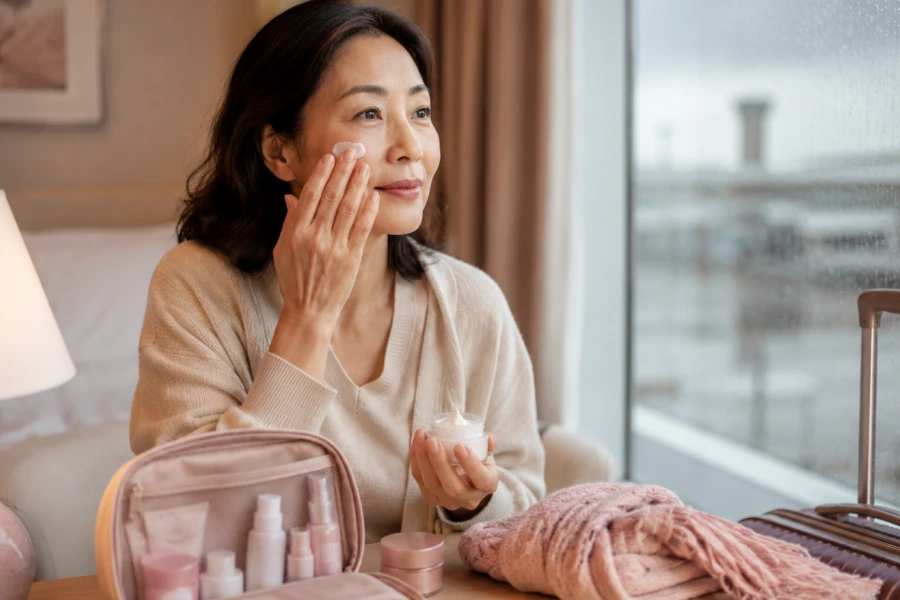
A reaction can make every label feel complicated. The solution is not fearing every formula. It is learning skincare ingredients to avoid for your own patterns. Sensitive skin does not react identically for everyone. Some people struggle with fragrance. Others dislike acids, alcohol, or essential oils. Context changes tolerance as much as the ingredient. A ingredient sensitivity list helps turn reactions into useful notes. Shopping becomes calmer with evidence. The label starts feeling less mysterious.
Labels reward patience more than panic. Start by finding fragrance terms. Look for drying alcohols if skin feels tight. Notice exfoliating acids in daily products. Essential oils can appear in natural formulas. Menthol can feel cooling before irritating. Strong retinoids need careful spacing. Preservatives may bother a smaller group. The goal is not memorizing every word. It is identifying repeat offenders.
Marketing language can distract from the real formula. Words like clean or natural are not guarantees. Sensitive skin may dislike botanical extracts. It may also tolerate synthetic ingredients well. The source matters less than the reaction. Read past the front label. Look for ingredients that repeat across flares. Compare products side by side. Patterns reveal more than promises. Calm evaluation beats fear-based shopping.
Fast burning deserves immediate attention. Remove the product gently. Rinse with cool water if needed. Avoid layering another active afterward. Apply a familiar bland moisturizer. Do not scrub the area. Watch the skin over several hours. Record the product and timing. A reactive skin care tracker can preserve those details. Quick notes prevent repeat mistakes later.
Patch testing should be practical and consistent. Choose a small hidden area first. Apply the product as directed. Leave surrounding products unchanged. Wait long enough to notice delayed signs. Do not test several items together. Photograph redness only if it helps. Stop if discomfort feels strong. Notes should stay simple and useful. The goal is clarity, not perfection.
Not every sensation means the same thing. Mild tingling can happen with some actives. Burning usually signals a stronger warning. Tightness may indicate barrier stress. Redness can come from friction or formula. Bumps may appear after delayed irritation. Timing matters when interpreting reactions. Compare the product with recent habits. Sleep, weather, and stress can confuse results. Careful review creates better decisions.
Ingredient awareness can reduce waste. Fewer bad purchases crowd the shelf. Fewer reactions interrupt the week. Trusted products earn repeat space. Riskier products require better timing. Samples can help before full sizes. Return policies can protect the budget. Friends may love formulas you avoid. That difference does not make either person wrong. Skin history makes shopping personal.
Weather can change ingredient tolerance sharply. Winter may make acids feel stronger. Wind can weaken comfort quickly. Heat can make fragrance feel more irritating. Travel can dry skin through cabin air. Chlorinated pools may increase sensitivity. During these periods, simplify the routine. Save new actives for stable weeks. Familiar moisture becomes more valuable. Seasonal caution protects progress.
Actives require respect even when skin likes them. More frequent use is not always better. Stronger percentages can increase irritation. Layering actives can confuse the barrier. Rest days help tolerance develop. Moisture should accompany treatment steps. Sunscreen becomes especially important. Introduce only one active at a time. Results improve when skin stays comfortable. Effective care needs pacing and restraint.
Smarter shopping begins before checkout. Read claims after reading ingredients. Patch test when uncertainty remains. Avoid buying many new formulas together. Choose products with clear purposes. Keep receipts when reactions are likely. A gentle skincare ingredient reference can support decisions. Reviews help, but your history matters more. Skin confidence grows from pattern recognition. Better purchases follow calmer evaluation.
Reactions can affect confidence quickly. A burning face can make plans stressful. Visible redness can invite unwanted questions. Having a fallback routine helps. Keep one trusted cleanser nearby. Keep one trusted moisturizer ready. Pause anything uncertain immediately. This prepared response lowers panic. Skin usually appreciates quiet conditions. Confidence returns when the next step feels clear.
The aim is not fear-based beauty. It is informed selectivity. Sensitive skin can still enjoy effective products. It simply needs better timing and editing. Ingredients become tools, not enemies. Your notes build a personal map. That map saves money and frustration. It also reduces emotional guesswork. The shelf becomes easier to manage. Calm choices create calmer skin days. Keep the notes where shopping happens. Review them before buying. Compare new formulas slowly. Trust repeated patterns over pretty claims. Your history should lead the cart. Pause first.




Leave a comment